


What is a flower? A flower is the reproductive structure of flowering plants. Understanding flower anatomy helps explain how these structures function. Many flowers that rely on pollinators, such as birds, butterflies and bees, have brightly coloured petals and appealing scents. These traits have evolved as a way to attract pollinators’ attention. Although all flowers are different, they have four main parts. These parts make up their basic anatomy.
Petals in Flower Anatomy
Petals draw pollinators to the flower. This is why they are often brightly coloured, showy, and of interesting patterns and sizes. They are probably the part of the flower that has most variation from plant to plant.
Sepals
Sepals are the outside parts of a flower and protect the inside part while it grows. Normally green and leaf-like, they can be almost any colour, depending on the type of plant. The sepal is the first part of the flower to grow. It creates a bud around the emerging flower to protect it.
Stamen
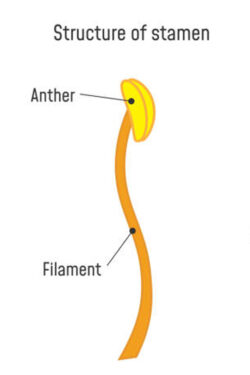
Carpel (also known as a pistil)
The carpel is the female reproductive organ of a flower. It is bowling pin-shaped and located at the base in the centre of the flower. The ovary produces and contains seeds. A fertilized carpel, from pollen brought by a pollinator, swells to protect the developing seeds. The flower then transforms into a fruit. A whole new plant is created.
Want to learn more? Watch Messy goes to OKIDO, S1E23 Bee Story on BBC iPlayer!
As seen on CBeebies. Season 3 coming soon...
Learn how bees help plants grow, create a beehive and flower painting, make some spiced honey cakes and more with OKIDO!